

Can you believe we’re almost in February?👋 Big moves in fintech this week—Visa and the payments giants are throwing AI at fraud, Singapore’s digital banks are two years in and still proving themselves, and HSBC is pulling the plug on its ambitious Zing app. Plus, tokenised bonds are gaining traction.
🏦 Two years in—are Singapore’s digital banks actually working?
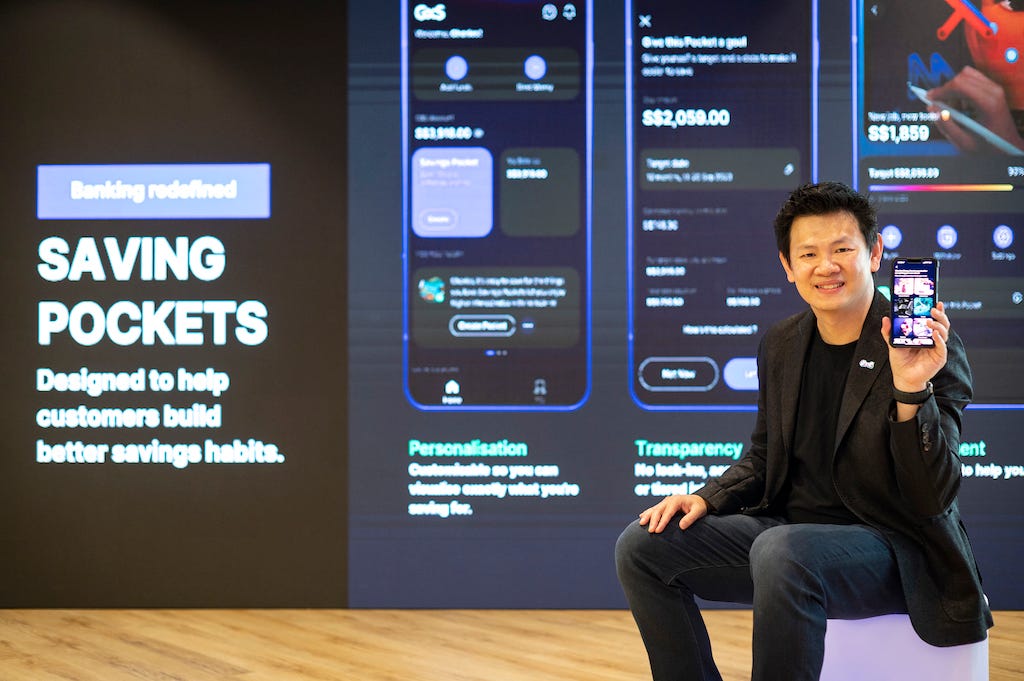
Two years ago, Singapore granted banking licenses to digital challengers like Trust Bank and GXS, expecting them to shake up the financial sector. So, how are they doing?
On the customer acquisition front, they’ve done well—Trust Bank, backed by Standard Chartered, has gained over 500,000 customers. GXS, launched by Grab and Singtel, has focused on digital savings accounts with competitive interest rates. But here’s the problem: despite rapid user growth, profitability remains elusive.
Unlike digital banks in the US and UK, Singapore’s challengers operate in a heavily regulated space with high compliance costs. Some analysts believe it will take years before they turn a profit, while others suggest that partnerships with super apps like Grab might be the key to long-term success.
Why it matters: The digital banking race isn’t just about gaining customers—it’s about proving these models can be profitable. With Singapore’s strict regulations, these banks have a tougher path ahead compared to their global counterparts.
📊 OCBC debuts tokenised bonds—what’s the big deal?
OCBC has officially launched tokenised bonds, marking a big step toward bringing blockchain tech into mainstream finance. The bonds, issued on the Marketnode digital exchange, offer instant settlement—cutting out delays and reducing reliance on traditional clearinghouses. This move could make bond markets more efficient by lowering costs and increasing transparency.
OCBC isn’t alone in testing tokenisation; JPMorgan and DBS have also been experimenting with blockchain-based financial products. The bank says this will improve liquidity for corporate accredited investors and set the foundation for broader adoption of digital assets in banking.
Why it matters: Tokenisation isn’t just a crypto buzzword—it’s being adopted by major banks to streamline financial transactions. If successful, we could see more institutions tokenising assets like equities and real estate.
💸 HSBC pulls the plug on Zing—what went wrong?
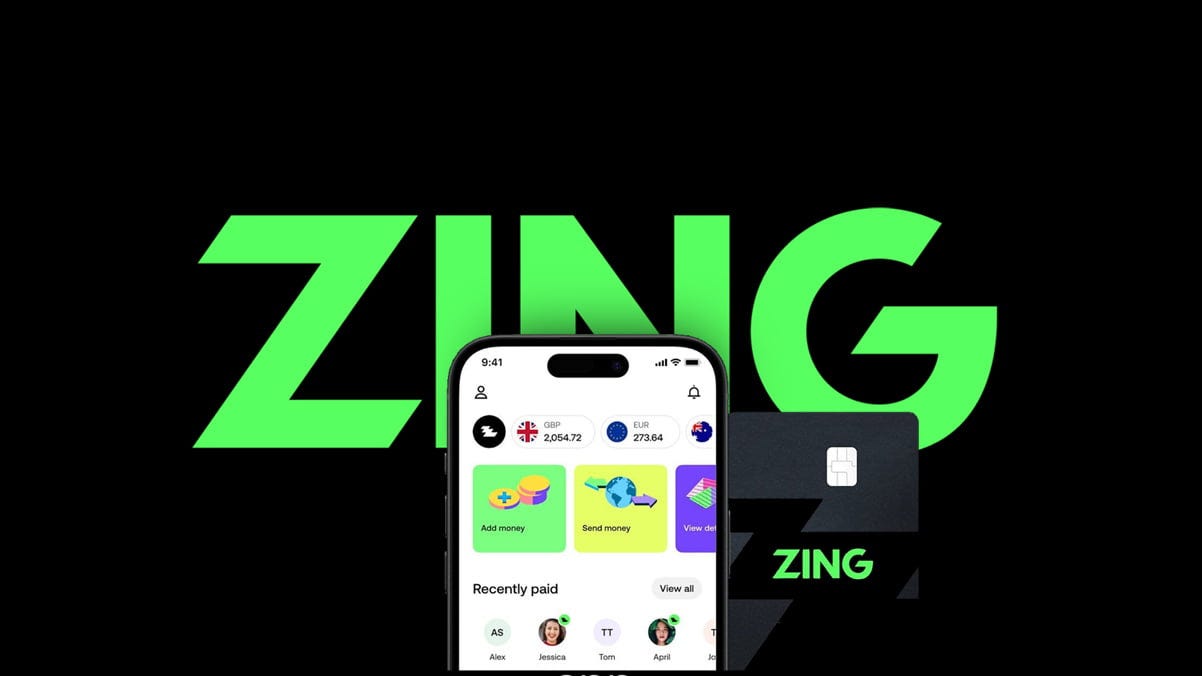
HSBC is shutting down Zing, its standalone digital payments app, just a year after launch. The app was meant to compete with fintech giants like Wise and Revolut by offering low-fee international transfers. But despite a $150 million investment, Zing never took off.
The biggest issue? Adoption. HSBC struggled to convince customers to move away from existing payment platforms, and regulatory hurdles slowed expansion into new markets. Now, the bank is cutting costs under new CEO Georges Elhedery, impacting 400 employees. Instead of a standalone fintech product, HSBC will integrate Zing’s features into its core banking app.
Why it matters: Traditional banks often struggle to match fintech agility, and HSBC’s failure highlights the challenges of launching standalone digital products. Instead of competing head-on, legacy banks may shift toward partnerships and in-house fintech integrations.
🛡️ Visa and fintech giants are going all-in on AI to fight fraud
Visa, Mastercard, Block, and PayPal are betting big on artificial intelligence to combat fraud and improve security. Payments fraud is a multi-billion-dollar problem—PayPal alone loses nearly $1 billion a year to fraud, making AI-driven solutions more important than ever.
By using AI, these fintech giants can analyse vast transaction data in real time, flagging suspicious activity faster than traditional systems. Visa has already invested $10 billion in AI-driven security over the past five years, while Mastercard has focused on AI-powered biometrics to verify transactions.
Beyond fraud detection, AI is also improving customer experience. Klarna, for example, is using AI-powered chatbots to handle over two-thirds of customer inquiries, cutting costs while maintaining service quality.
Why it matters: AI isn’t just hype—it’s actually solving real-world problems. As fintechs push deeper into AI, expect better security, fewer fraud headaches, and maybe even some smoother customer experiences.
In other news:
🧠 Chinese AI startup DeepSeek makes a model to rival OpenAI, beating other industry’s leading models on several math and reasoning benchmarks
📈 Singapore-based blockchain firm Bitlayer locks in $9M in Series A extension with Polychain Capital and Franklin Templeton leading the round
At Davos, top tech leaders like DeepMind’s Demis Hassabis and Meta’s Yann LeCun are clashing over safety and $100bn Stargate project
🤝 UK-based challenger bank Monese has been acquired by fintech startup Pockit, aiming to expand digital banking access to underbanked communities
🦄 Digital banking Tyme Group firm hit a $1B+ valuation after raising $250M in a Series D round led by Nubank, fueling expansion in Africa and Asia
📉 With a £4B valuation, Monzo is weighing a Nasdaq debut as it eyes expansion across the Atlantic